



February Lawn Prep for Zoysia Grass: Start Now for a Thicker Lawn This Summer
If you want a dense, weed-resistant Zoysia lawn by summer, February is where it begins.
Even though your grass may still be dormant, late winter preparation determines how quickly your lawn greens up, how well it resists weeds, and how successfully Zoysia plugs establish in spring.
Here’s how to get ahead now — and why it matters.
Stop Weeds Before They Compete With Your Grass
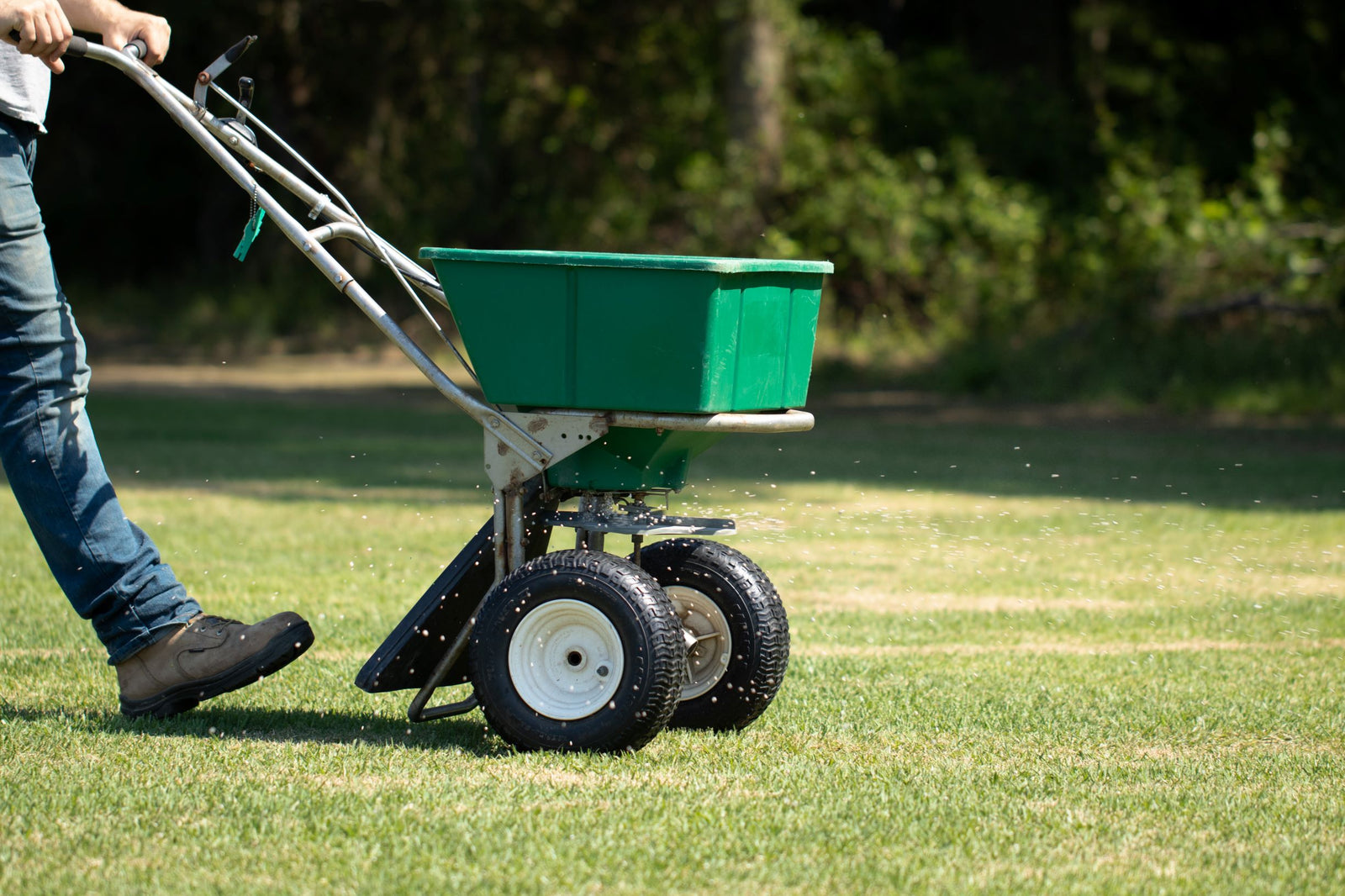
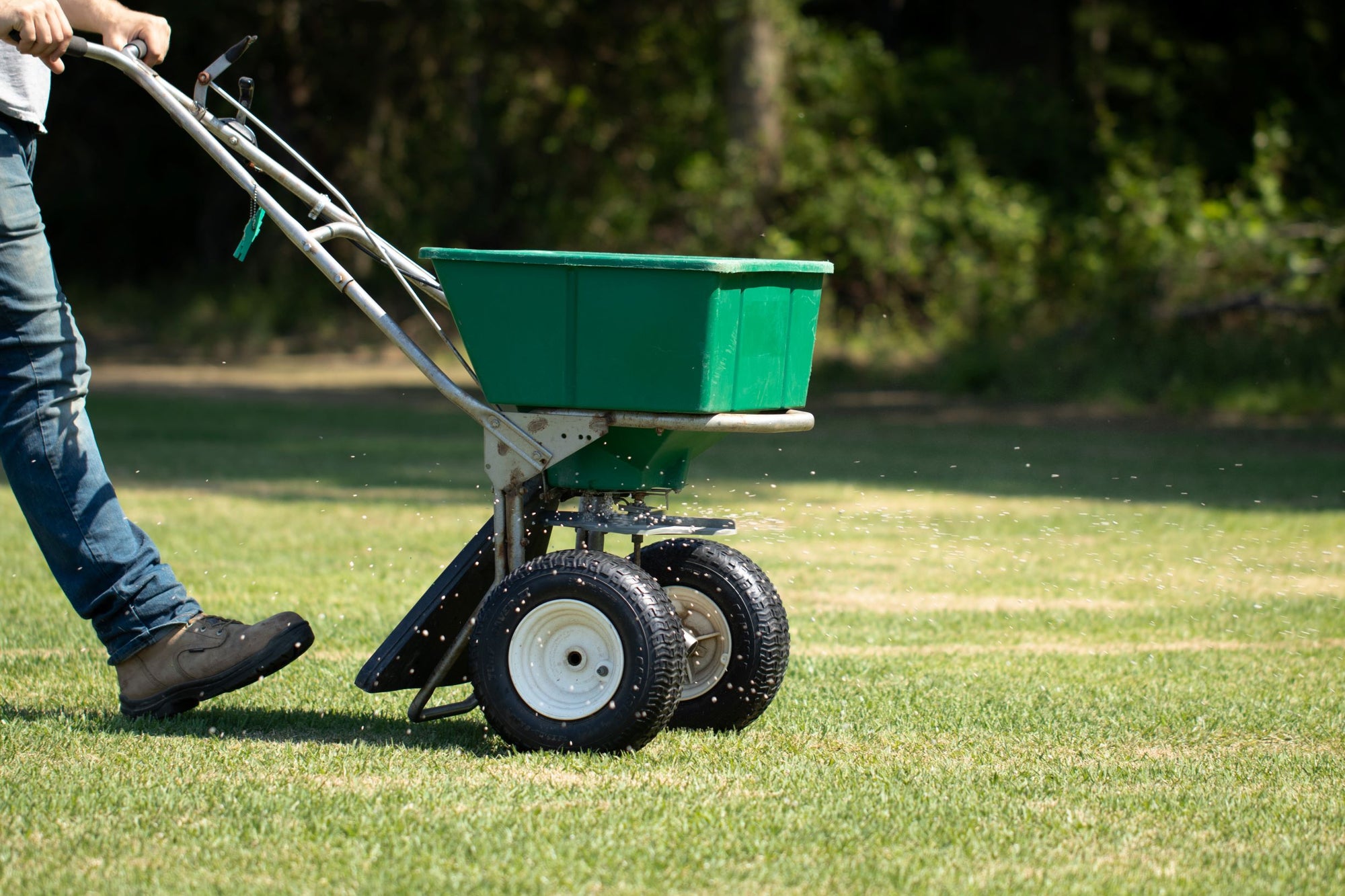
Crabgrass and other summer weeds begin germinating when soil temperatures approach 50–55°F. In many areas, that window opens in late February.
Applying a pre-emergent at the right time helps ensure your Zoysia lawn thickens without fighting early-season competition. Fewer weeds mean stronger lateral spread once temperatures rise.
If you’re planning to plant Zoysia grass plugs this spring, avoid applying pre-emergent within two weeks of when you’ll be installing them. Root establishment is critical in the first few weeks, and untreated soil gives plugs the best chance to spread quickly.
If you haven’t selected your plugs yet, you can view our available options here:
https://www.zoysiaplug.com/zoysia-grass-plugs/
Scalp Mow to Speed Up Spring Green-Up
A light scalp mowing while Zoysia is beginning to come out of dormancy removes brown blades and allows sunlight to warm the soil faster. Lawns that are cleaned up in late winter typically green up earlier and more evenly.
This simple step also improves airflow and reduces thatch buildup — both important for strong root development once growth begins.
Think of it as resetting your lawn before the season starts.
Clear Debris and Identify Bare Areas
Leaves, sticks, and matted grass block sunlight and trap moisture. February is the ideal time to clear debris and inspect your lawn closely.
Look for:
-
Thin or patchy spots
-
Compacted soil
-
Drainage issues
-
Areas damaged during winter
Bare or weak areas won’t repair themselves quickly. Zoysia spreads steadily, but it performs best when you actively fill gaps with healthy plugs.
If you’re planning to repair thin spots, review our step-by-step planting guide here:
https://www.zoysiaplug.com/how-to-plant-zoysia-plugs/
Plan Your Plug Installation Now (Plant Later)
Zoysia plugs establish best when soil temperatures consistently reach 65°F or higher. That typically means mid-spring through early summer in most regions.
February is the time to:
-
Measure your lawn
-
Decide on plug spacing
-
Prepare irrigation
-
Order early before peak demand
Closer spacing leads to faster fill-in. Wider spacing lowers upfront cost but requires more patience. Either way, planning ahead ensures you’re ready to plant at the ideal time — not scrambling when soil temperatures are perfect.
Browse our available Zoysia plug options and coverage recommendations here:
https://www.zoysiaplug.com/shop/
Hold Off on Fertilizer (For Now)
It’s tempting to fertilize early, but Zoysia should not receive nitrogen until it’s actively growing.
Instead, use February to test your soil and create a fertilization plan for after full green-up. Applying nutrients too early can promote weeds instead of turf density.
Proper timing is one of the biggest differences between average lawns and thick, resilient Zoysia turf.
Why February Preparation Pays Off
Zoysia is known for being drought tolerant, durable, and low maintenance — but it’s also slower to spread than some warm-season grasses. That’s why early preparation is so important.
When you:
-
Prevent weeds before they start
-
Clean up dormant turf
-
Plan your plug installation carefully
You give your lawn every advantage once temperatures rise.
The homeowners who see the fastest plug spread and the thickest summer lawns are almost always the ones who prepared in late winter.
Ready to Upgrade Your Lawn This Spring?
Now is the time to prepare — and soon it will be time to plant.
Explore our premium Zoysia grass plugs and secure your order before peak season:
https://www.zoysiaplug.com/zoysia-grass-plugs/
A thicker, greener, more drought-resistant lawn starts with what you do in February.

Also in Zoysia Plugs
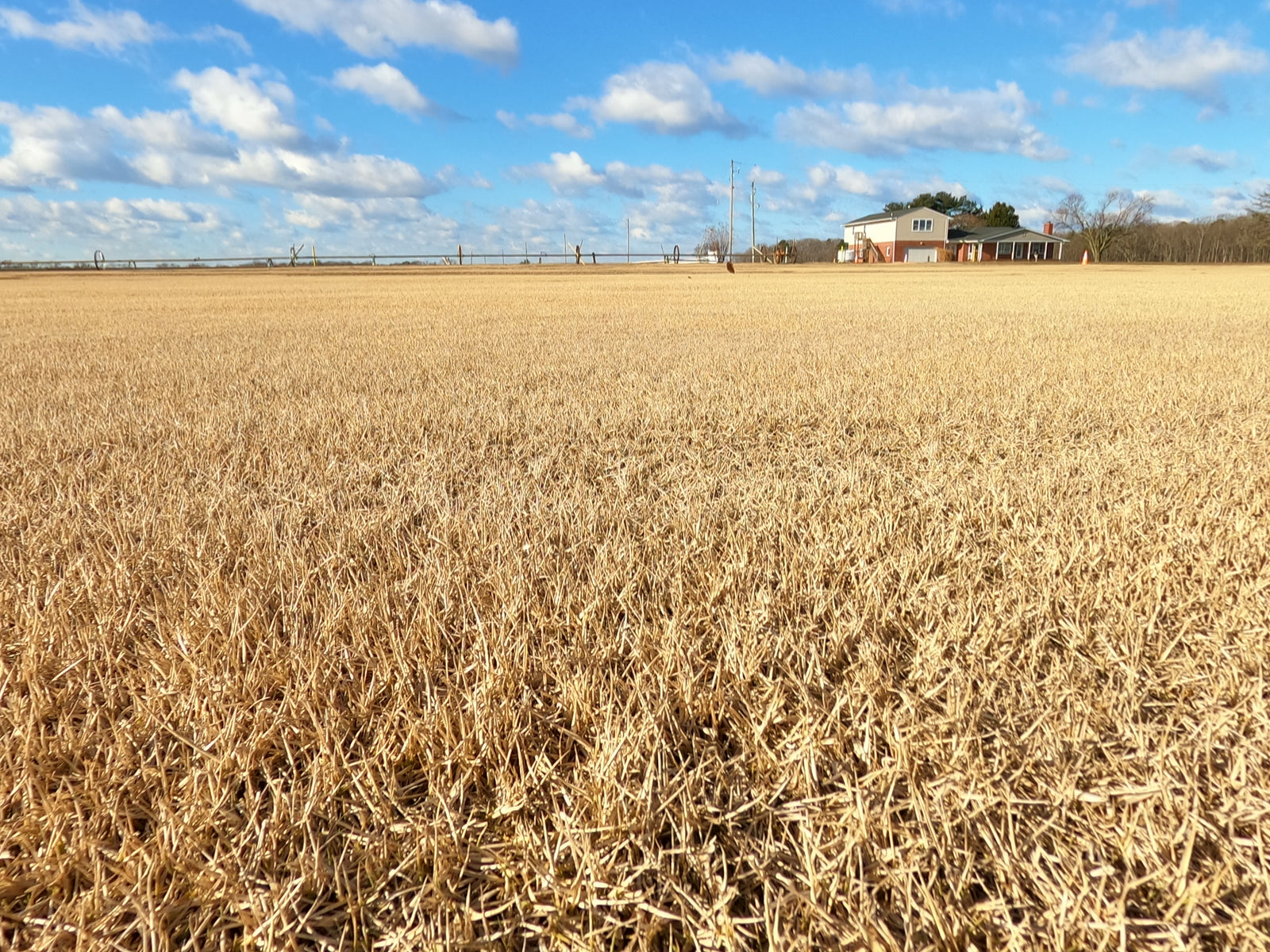
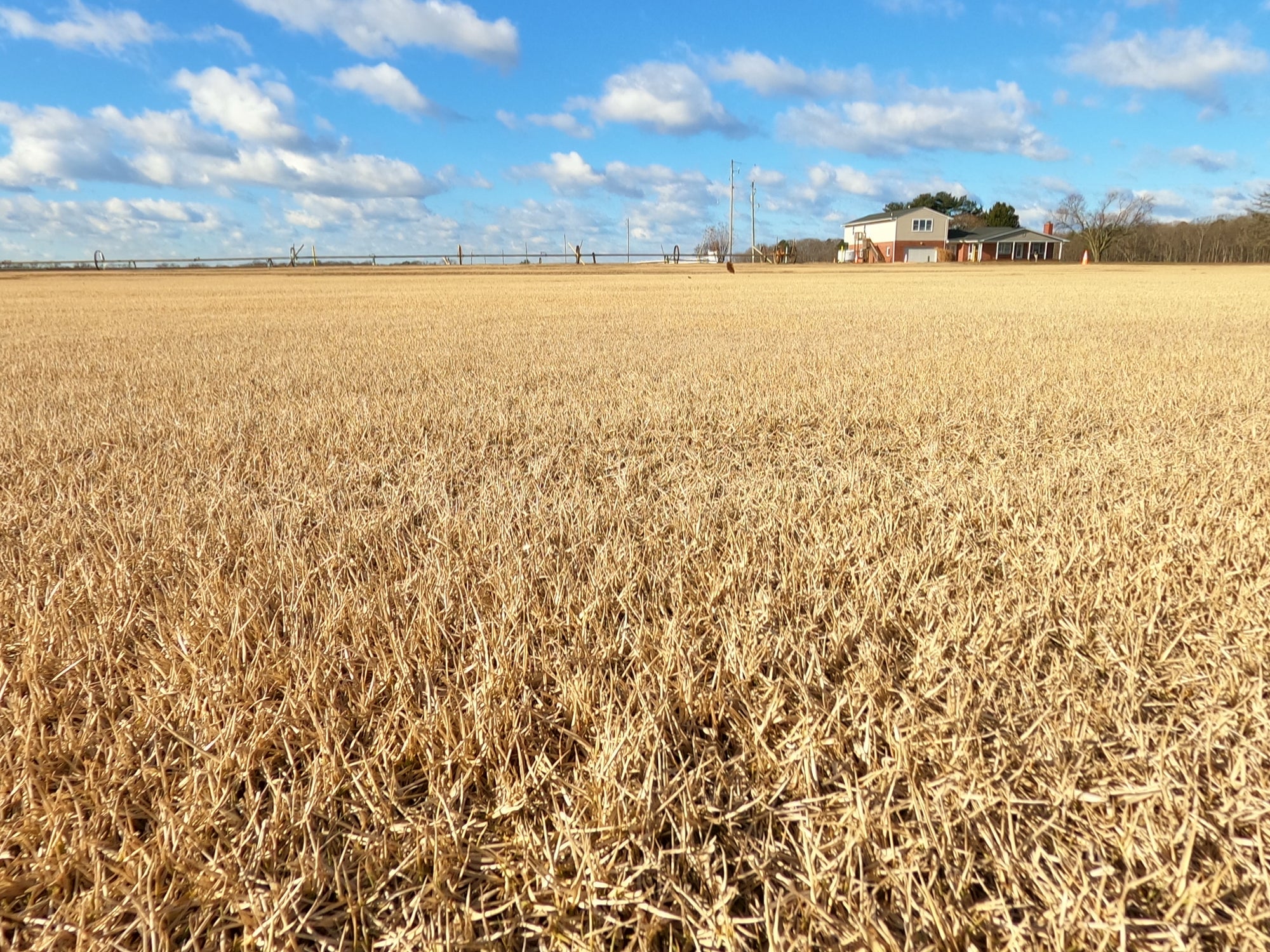
Why does Zoysia change color in the Winter?
Converting your Existing Lawn to Zoysiagrass
⋆How To: Fertilize Zoysia⋆
Read our latest blog for some tips you need to know before you start fertilizing.